Perspectives
Speedy Hire starts a new chapter in connected fleet safety as it explains what it’s really like to roll out fleet tech at a national scale
December 8, 2025

Get the latest from Samsara
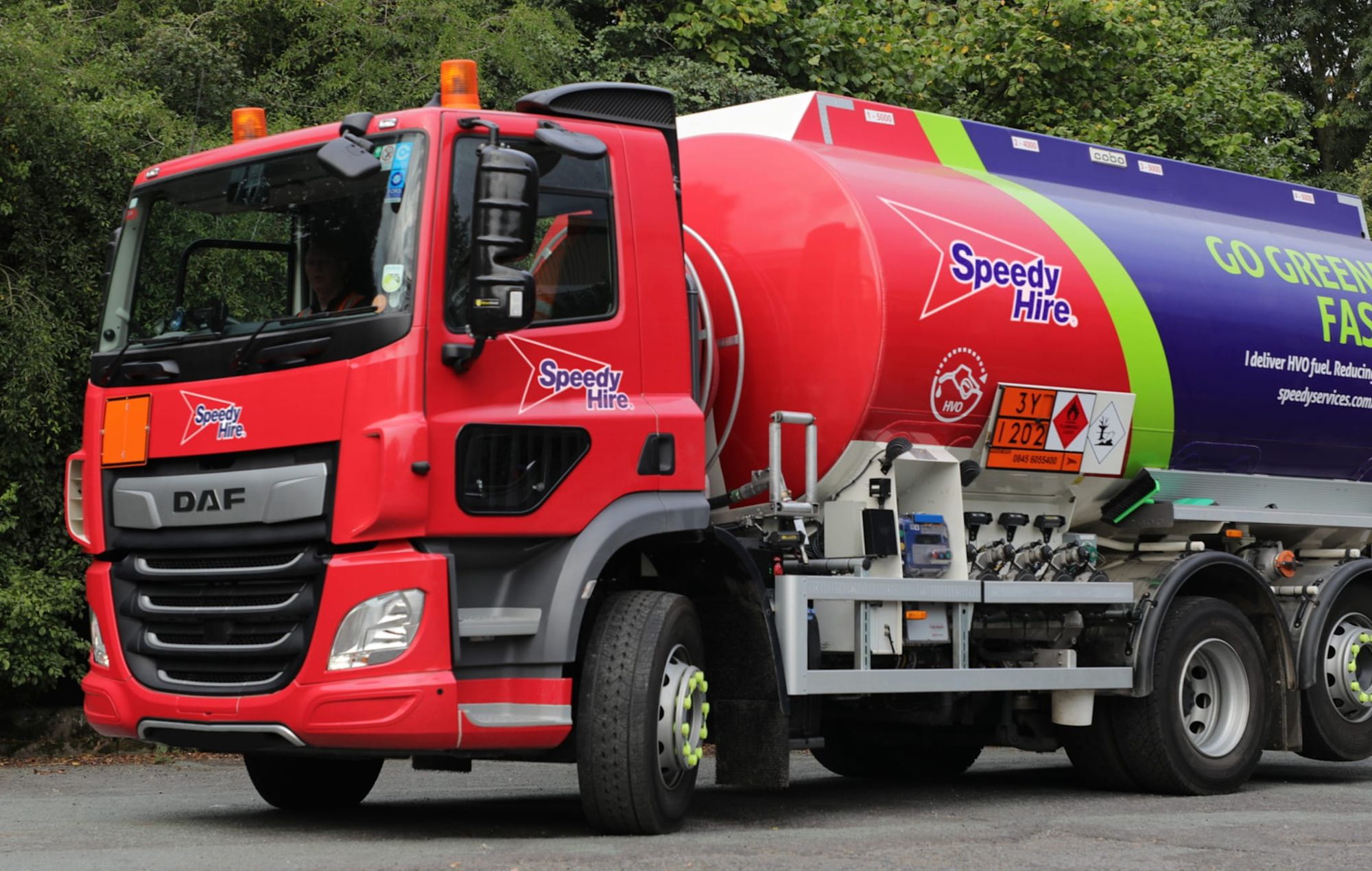
Subscribe nowIn early 2025, UK-wide tool hire business, Speedy Hire, replaced its existing telematics system across its entire 1,000-vehicle fleet with Samsara’s Connected Operations Platform. It was a move driven by a clear need to improve safety, gain deeper operational insight, and streamline how teams work day-to-day. In this interview, Mark McHale, Operations Support Director at Speedy Hire, discusses some of the realities of implementation, the importance of culture as well as tech, and why the journey is only just beginning.
Q: What prompted Speedy Hire to adopt Samsara’s platform?
Honestly, it came down to safety and effectiveness. We’d been using another provider for cameras, but we weren’t really using them to their full potential. They gave us data, but it wasn’t actionable. Samsara changed that. They gave us real-time visibility and a much more usable, intuitive platform.
We also identified that parts of the business had high accident rates. Certain depots, for example, were seeing too many incidents. That gave us the push we needed to make a change. We knew we had driving behaviours that needed attention. The question was, “How do we intervene in a way that’s constructive, not punitive?”
Q: How did Marsh, your insurer, help with your decision?
My boss, Dan Rice, discovered Samsara and built the business case internally. But Marsh supported us during the contract negotiation and endorsed the rollout. They understood that this wasn’t just about compliance. It was about actively reducing our risk profile. When you’re running a fleet of a thousand vehicles – and you’ve got pockets of high-risk behaviour – your insurer takes a keen interest. Marsh backed the move because it helps drive down risk.
Q: What’s the scope of the rollout?
We’re rolling it out across the entire fleet of around 1,000 vehicles across the country. We started installations in February 2025 using a third-party installer. We’d done a successful trial in West London before that, so we knew it worked.
I’ll be honest, it’s a big operation. We originally aimed to complete it by April, but I now know that was ambitious. Some of the hardware – especially the integrated cameras – required full wiring rather than just plug-and-play. But the installers have been great. I’d certainly recommend this approach as an option for any large-scale roll-out.
Q: How have drivers responded to the new technology?
There’s no point sugar-coating it. We’ve had challenges. The rollout moved quite fast after the announcement, and in hindsight, we probably should have done more upfront engagement with drivers.
We assumed that they were already used to in-cab cameras and telematics and that this was just the next step. But the mention of AI changed the tone. It made people nervous. Some believed it would monitor their every move, that they wouldn’t be allowed to take a sip of water while driving, or that they’d get flagged for taking a hand off the wheel.
There were also issues with some people spreading misinformation, so we had to step in quickly and get control of the messaging.
Q: How do you ensure the platform is used constructively and not punitively?
That’s been a huge focus. Senior management are very supportive. If anything, we’ve had to slow them down! They wanted to roll out everything straight away, including disciplinary tools, but we’re steering it carefully.
We’ve positioned Samsara as a safety platform, not an HR stick. The Safety Inbox, for example, is being used for coaching conversations, not write-ups.
We’ve also decided to target our lowest-performing 5% of drivers first, rather than trying to change everyone overnight. We believe that will make much more of an impact and create less resistance. And from what I’ve heard, I’m sure the scoring system will drive a bit of healthy competition, too.
Q: What’s the ultimate goal?
It’s simple. At the end of the day, we want everyone to get home safe. That’s the bottom line. This platform gives us the ability to spot risk early, coach effectively, and prevent accidents before they happen. It’s not about blame. It’s about improvement. What’s more, it’s already triggering a cultural shift. As a business, we’re starting to think differently about risk, accountability, and support. That’s bigger than a tech rollout. It's real change.
Q: Any final thoughts about what has been a major project so far?
At the start, I took it personally when drivers pushed back. I wanted to sit them down – one-on-one – and explain how good the platform is. But I’ve learned to zoom out and to think about broad engagement, not just individual persuasion. Rolling out Samsara has been challenging, yes, but it’s also been incredibly positive. It’s reshaping how we manage our fleet and how we look after our people.
Mark’s top tips for fleet operators rolling out Samsara
Engage drivers early – and don’t stop engaging
2. Communicate across multiple channels – and keep communicating
3. Don’t underestimate the scale of installation
4. Have a plan for how the system will be used, especially around performance management
5. Prepare yourself. This is not just a tech rollout, it’s a cultural one
Get the latest from Samsara
Subscribe nowRead more

What 1,400 miles in an electric van taught me about range anxiety

Fleet Manager, Speedy Hire

DVS2 One Year On: How London’s Premium Hauliers Turned Compliance into ROI

Director, Sales Engineering - EMEA

Video footage from in-cab cameras proves drivers not at fault

Road Risk Manager, Vp Brandon Hire Station

Why thousands of companies in the retail industry choose Samsara

EVP, Chief Operating Officer - GTM
Safe vehicles save lives: why we need action now

CEO, Brake, the road safety charity


The Next Fleet Generation : Driving can be a launchpad for a fulfilling career in physical operations

UK&I Director of Enterprise and Mid Market Sales
The Next Fleet Generation : As retirement cliff looms ever closer, majority of UK commercial drivers urge younger generations to join them
UK&I Director of Enterprise and Mid Market Sales