Engineering at Samsara
Beyond 2026 with Pike Corp: Signals from the field
August 21, 2026


Get the latest from Samsara
Subscribe nowWhen a hurricane knocks out power, Pike Corp crews are the ones heading in. They've been building and maintaining power lines since 1945, and for the past two years have been running Samsara across their operation: dual-facing cameras on 6,500 vehicles, AT11 asset tags tracking safety-critical equipment across a national fleet. The tolerance for error in the work, and in the tools, is very low.
In this episode of Object Stats, recorded live at Beyond 2026, Johan Land and John Bicket sit down with James Banner, SVP of Administration and Safety at Pike, to hear what two years of running Samsara in the field has taught them, and what they want built next.
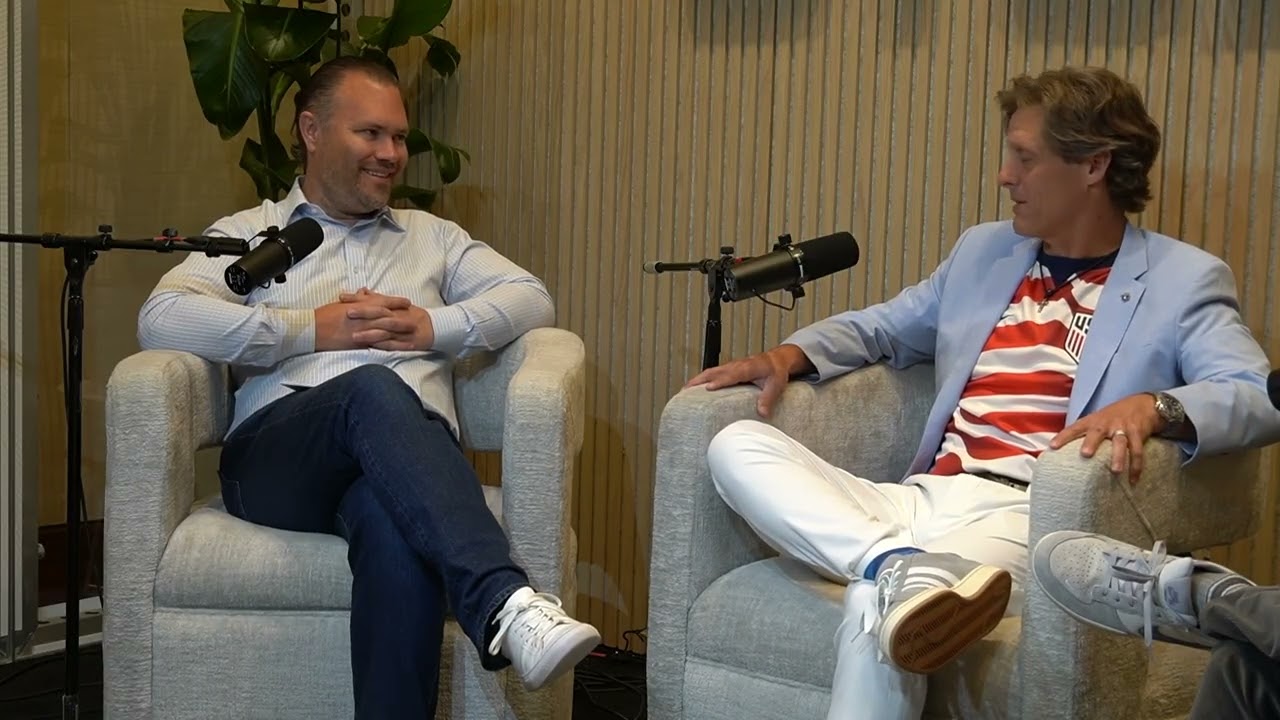
Watch Video
🎧 Listen to the full episode now and subscribe to Object Stats wherever you get your podcasts: Apple, Spotify, Amazon Music.
Here's what the field is telling us:
1. Asset tags are closing the loop on safety-critical equipment
For line workers on live power lines, rubber gloves and sleeves can make the difference between a safe job and a fatal one. They get replaced on a fixed cycle, shipped out in hardened containers across the country, and each bucket runs around $7,500, with no tracking on any of it. Things can slip: buckets sit in trucks and storage bins while replacements keep going out.
For an operation this size, visibility has to extend beyond the fleet. Asset tags closed that gap: high-value, safety-critical equipment moving across nationwide operations, finally accounted for.
2. Operators are building their own agents
Before every job, Pike crews complete a required safety review: describe what they're about to do and walk through the hazards to catch risks before work begins. The problem is that newer workers often nod through the process without fully grasping their task, and that's when accidents happen.
Our customers have always been partners in what we build; now they are doing some of the building themselves. The Pike team built an agent on top of their own safety documentation and institutional knowledge. Workers describe the day's job via audio and the agent prompts them with specific questions based on what they said. Eighty-five percent of the time, workers engage with at least one of the suggestions. On jobs this hazardous, understanding your role before you start is the difference that matters.
3. Year one data looks worse (which means it's working)
When a company isn't running telematics, small incidents are invisible. Fender benders, a clipped mailbox someone quietly fixed on the way home, all handled in the field and go unreported. When a fleet-wide program goes live, they all surface at once, and the initial read is that something has gone wrong.
Deploying telematics doesn't create new problems; it makes existing ones visible. Year one data looks worse because for the first time, you're seeing what was always happening. Year two is when the numbers actually move.
Pike's year-two numbers tell that story: 20% fewer accidents, 50% higher seatbelt usage, 80% drop in mobile phone usage while driving.
4. The feedback loop is shrinking from months to minutes
During the Beyond keynote, James sat in the audience taking notes on every product launch announced as available now. Within hours he was texting Samsara contacts: "let's get it on." When Pike wants to try something new, they ask for a beta. The eagerness to build quickly is mutual.
The feedback runs the other way just as fast. James mentioned fatigue detection as something Pike is actively pushing for, and said plainly: "If anyone in the space is going to get it right, it will be Samsara." That's a candid request from a customer who understands the stakes, delivered straight to the people building it.
A tight customer feedback loop is central to how we build at Samsara. Beyond is where that happens at scale: product launches, customer reactions, and the conversations about what comes next, all in one place. This is what building with operators looks like.
Get the latest from Samsara
Subscribe nowRead more


When AI brings your loved one home safe

Vice President of Artificial Intelligence


What 100 billion miles taught a fuel model

VP, Software Engineering

Humans, Machines, and the Road Ahead: HumanX Reflections

Senior Vice President of Product

AI at the Edge: Stopping Bridge Collisions
VP, Software Engineering
