Perspectives
Glazer's safety leader on what it takes to keep a safety culture thriving five years in
September 30, 2026

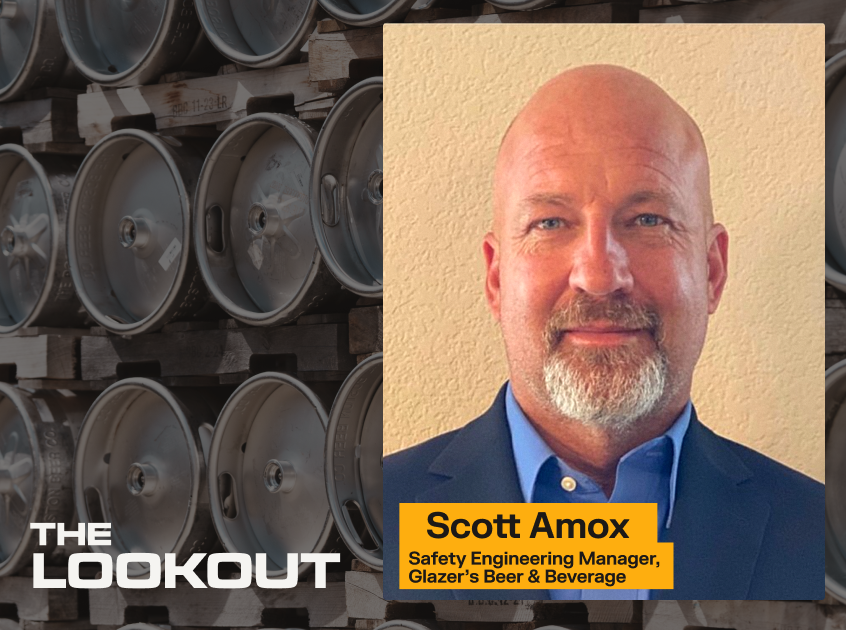
Safety Engineering Manager, Glazer's Beer & Beverage
Get the latest from Samsara
Subscribe nowIn the early days of building a safety program, it can be hard to picture where you're headed. There's so much to do, and the road ahead feels long. But here's what I can tell you from five years in: while the work is never truly done, you end up in a much more positive place, one where the culture starts carrying itself and pulling you forward with it.
When I joined Glazer's Beer & Beverage to lead Safety and Compliance, our safety program was in the early days I just described. Five years later, we've cut auto incidents by 60%, built a national Safety Rodeo that drivers compete to attend, and gotten to a place where our drivers advocate for the program instead of simply complying with it. None of that happened overnight, and none of it happened because we handed down a policy and told people to follow it. It happened because we built the program with our drivers, not around them, and made sure the rewards were as real as the accountability.
These are the practices that took us from a scattered safety program to one that sustains itself.
1. Start by listening, not legislating
Before we wrote a single policy, we spent months just listening. I got out of the office and into the branches, talking to drivers, warehouse staff, supervisors, and managers about what was actually getting in their way. The people doing the job every day know more about what will and won't work than anyone sitting behind a desk. When you build policy with them instead of for them, they're far more likely to follow it.
2. Design a program that coaches drivers up instead of cutting them loose
When we started using dash cams five years ago, we got visibility into things we'd never seen before. But we made a deliberate choice early on: we didn't want a program that cost us good employees over bad habits. We built a point system tied to specific behaviors, like an unbuckled seatbelt or speeding, and used it to coach, not punish.
One of our drivers in McAllen, Texas accumulated 16 events in three months. Instead of letting him go, we sat down with him and showed him the footage. He didn't even realize he was doing half of it. Today he's got a safety score of 98, he's a Safety Rodeo winner, and he's the peer who rides along with every new hire for their first two weeks. That's the outcome you get when you build a program for improvement instead of punishment. If you're facing that same decision with someone who's genuinely good but sliding, choose coaching before you choose the door.
3. Make visibility non-negotiable at every level
Sustaining a safety program is really about sustaining visibility. Our drivers' scores and points aren't hidden anywhere. Supervisors can see them in real time, so if someone starts slipping, they know immediately and can have a conversation before it becomes a bigger problem. That visibility runs all the way to the top. Our CEO looks at driver performance regularly, and a few years ago he told me directly to come to him with anything I needed. That kind of top-down support is what gives a safety program its credibility. Without it, you're fighting an uphill battle every day.
4. Back accountability with rewards people actually want
We had the policy piece figured out well before we had the recognition piece, and looking back, that was our biggest gap. Holding drivers accountable only gets you so far. Real change happened once we started rewarding people, too. Our safety bonuses roll all the way up the chain, so if a driver doesn't hit their safety KPIs, their supervisor doesn't hit theirs either, and neither does their manager. That keeps everyone invested in everyone else's success.
And then there's our Safety Rodeo: branch-level competitions among drivers, forklift operators, and walkie riders that feed into a national event where winners and their spouses get flown out. The winner walks away with a vacation anywhere of their choosing. We've had winners tell us they'd never been on a plane before, or never seen the ocean. That's proof that accountability and recognition have to move together. If your program only holds people to a standard without rewarding them for hitting it, you're only doing half the job.
5. Let your data tell you where the culture still needs work
Every incident we log, whether it's a near miss, a first-aid case, or an at-fault accident, feeds into an internal trending report. We started using AI to help mine that data, and it's changed how we plan. Sometimes the data points to a driver problem. Sometimes it points to a management problem, which is a harder conversation to have, but an important one. Our national Safety Rodeo doubles as a planning event for exactly this reason: we bring our safety and operations teams together to look at a full year of trends and figure out what needs to change before the next one starts. By building a standing moment like that into your own calendar, your program keeps evolving instead of staying the same.
6. Be patient. Culture change doesn't announce itself
If I could tell someone starting this journey one thing, it would be to slow down. We didn't see one big moment where everything clicked. Scores crept up a little at a time. Incidents crept down a little at a time. There were plenty of days I wanted to force faster results, and I had to remind myself that a program built too quickly rarely holds. Get buy-in from your stakeholders, give your employees a real voice, and let the culture shift happen at the pace it needs to. Five years in, the work is never done, but the momentum is real.
Interested in learning more about creating a self-sustaining safety program? Listen to Scott’s full conversation on Operator Grade, a Samsara podcast, where he goes deeper on what a mature safety program looks like. Listen wherever you get your podcasts: Spotify → | Apple →

Watch Video
Get the latest from Samsara
Subscribe nowRead more

Ferrellgas' Logistics Director on earning driver buy-in before the rollout, not after

Director of Logistics, Ferrellgas

Ace Tree Enterprise's Fleet Manager on staying emergency-ready while keeping daily operations moving

Fleet Manager, Ace Tree Enterprise

Brenntag’s Supply Chain Manager on working backward to find the solution you're really after

Supply Chain Manager, Brenntag North America

– 8 min read
Connecting data to save millions: Lessons from Maxim Crane’s VP of Operations

Vice President at Maxim Crane Works

"We're actually a trucking company": How one construction firm rethought compliance from the ground up

DOT Compliance Manager, Emery Sapp & Sons

Garden City Public Schools' Transportation Director on modernizing maintenance operations for better efficiency

Transportation Director, Garden City Public Schools

“The best mechanics choose the best tools”: Inside Samsara Connected Maintenance

Senior Product Marketing Manager


When every minute matters: How digital innovation is transforming disaster response

Special Projects Administrator, Lodging Solutions