TRANSPORTATION & LOGISTICS
Tropical Shipping saves 8,800 gallons of fuel annually with Samsara
Tropical Shipping uses Samsara to protect drivers across a specialized Caribbean freight operation—improving safety culture, reducing fuel consumption, and keeping critical cargo on schedule.

Powered by the Samsara Connected Operations Platform
Meet Tropical Shipping
30 COMPANY DRIVERS
3M+ MILES PER YEAR
34 CARIBBEAN ISLANDS SERVED
The Challenge
Without data visibility, coaching drivers in a demanding short-haul environment was largely reactive
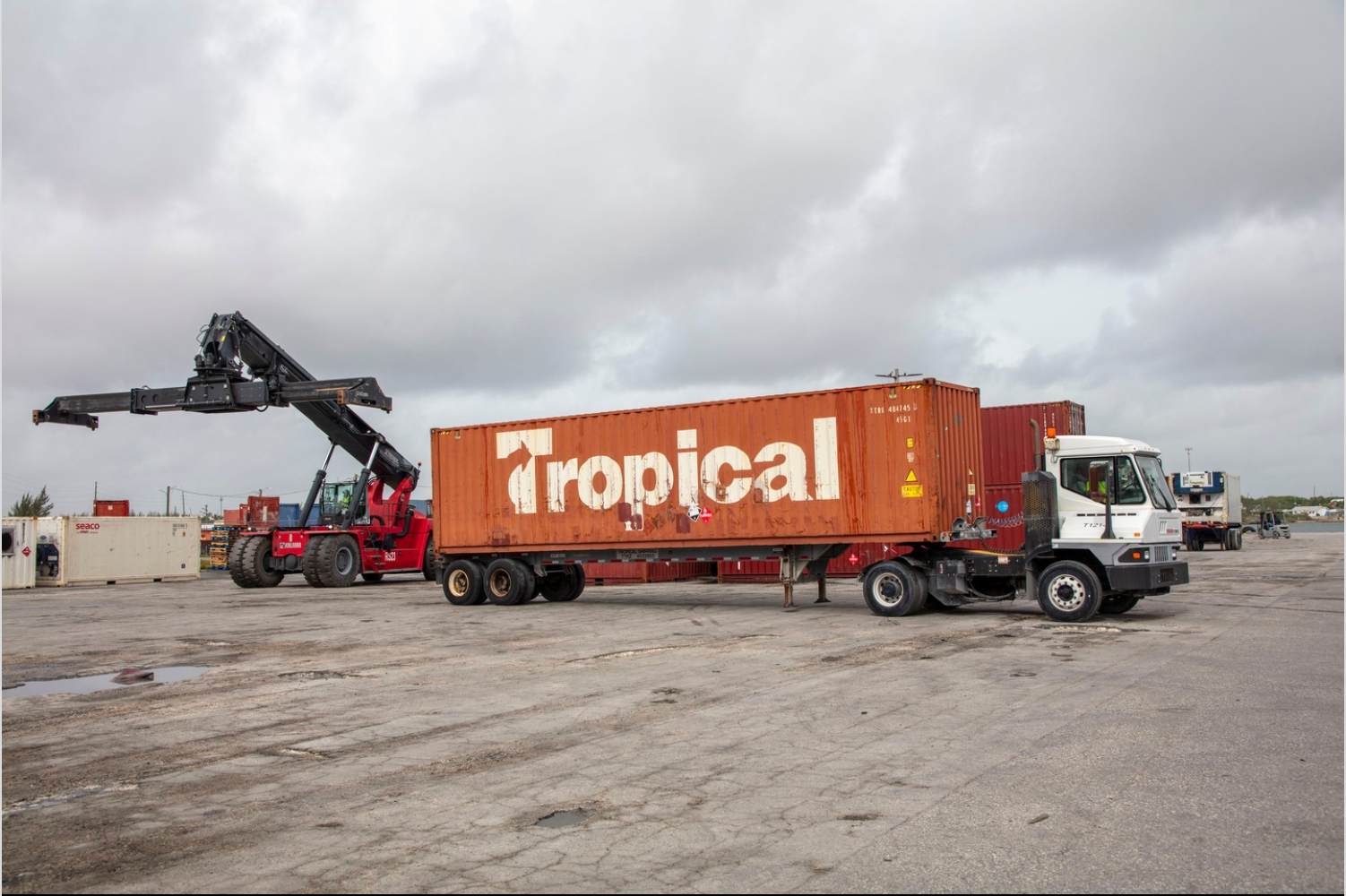
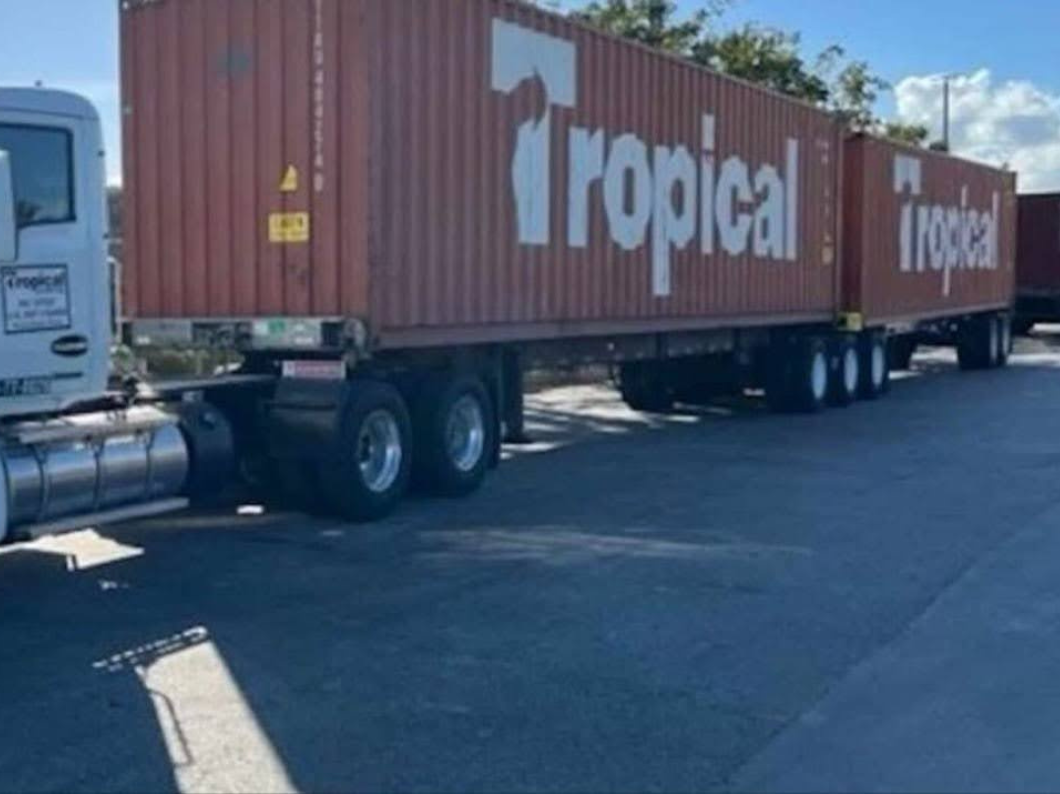
Tropical Shipping is the only carrier offering weekly sailings to all 34 Caribbean islands it serves, carrying everything from dialysis medicine to frozen food that communities depend on. On the ground in South Florida, its 30 company drivers complete roughly 600 moves per day across one of the most demanding short-haul port environments in the country. The company championed the city to permit unique double-container rigs that carry 80,000 pounds to reduce emissions and driver count on Florida highways. Before Samsara, Tropical Shipping didn't have a telematics solution in place or a structured way to monitor driver behavior. Coaching depended on driver trainers catching events in person or customers calling in with complaints. Pre-trip and post-trip inspections were handled on paper or a basic form site, making it difficult to catch mechanical issues before they escalated. With limited visibility into fuel consumption, the company had no way to identify which trucks or drivers were dragging down fleet efficiency—or why.
"Samsara didn't just connect our trucks; it connected our people. We don't use Samsara to watch our drivers; we use it to look after them. That distinction has completely redefined trust across our fleet."
Robert Federico
Dispatch Manager, Tropical Shipping
The Solution
Connected telematics, AI cameras, and digital workflows deliver measurable safety and efficiency results
Tropical Shipping deployed Samsara across its 30 company trucks in South Florida, and recently expanded to six vehicles in the U.S. Virgin Islands. The rollout covered Fleet Telematics for real-time GPS visibility and fuel management, AI Dash Cams for driver coaching, Workforce Management for digital DVIRs and driver communication, and Weather Intelligence to protect drivers operating across flood-prone South Florida.
The implementation required careful change management. Robert Federico, who oversees the operation, committed to a ramp-up period to build driver trust, letting drivers get comfortable with the technology before any coaching or scoring began.
CAMERAS & VIDEO
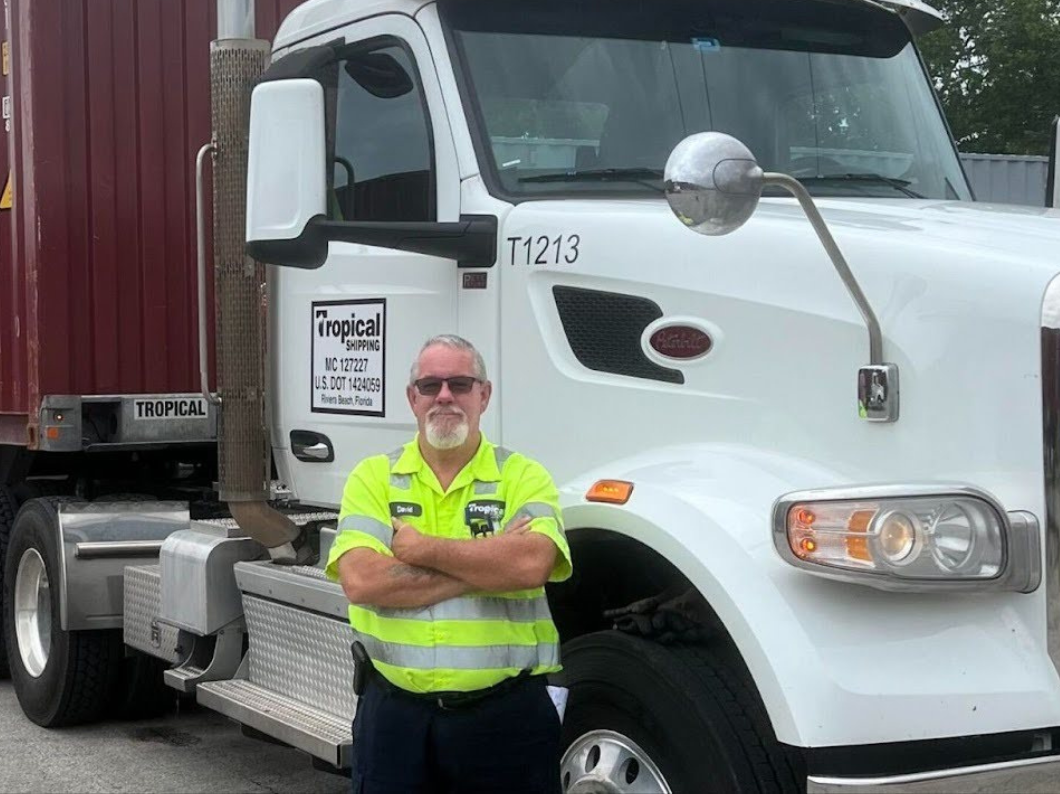
Reducing rolling stops by 66%
In the first year since deploying Samsara AI Dash Cams, the fleet reduced rolling stop events from approximately 118 to around 40, a 66% decrease, and significantly decreased speeding incidents. By year-end, the fleet's overall safety score had risen from 90 to 97, with the top-performing driver completing 103,000 miles with zero infractions over the year. During torrential downpours and flooding, Tropical Shipping uses Samsara's Weather Intelligence to safely communicate with drivers using hands-free audio warnings in the cab. One manager can now reach all 30 drivers instantly, replacing a process that required 30 sequential phone calls.
Learn more
FLEET TELEMATICS
Saving $35,000 annually and streamlining dispatch
Combined with idling alerts, coaching drivers on cruise control habits, and identifying the highest-efficiency drivers to share their techniques fleet-wide, Tropical Shipping improved average fleet miles per gallon (MPG) from 5.1 to 5.3—saving 8,800 gallons of fuel per year. Real-time GPS tracking also improved visibility. Dispatchers now use Samsara to track vehicles in transit, with drivers' live positions replacing phone calls to the control center when vessels are waiting on cargo.
Learn more
WORKFORCE MANAGEMENT
Digital DVIRs reduce costs by 3% and preserve $24,000 in annual vehicle value
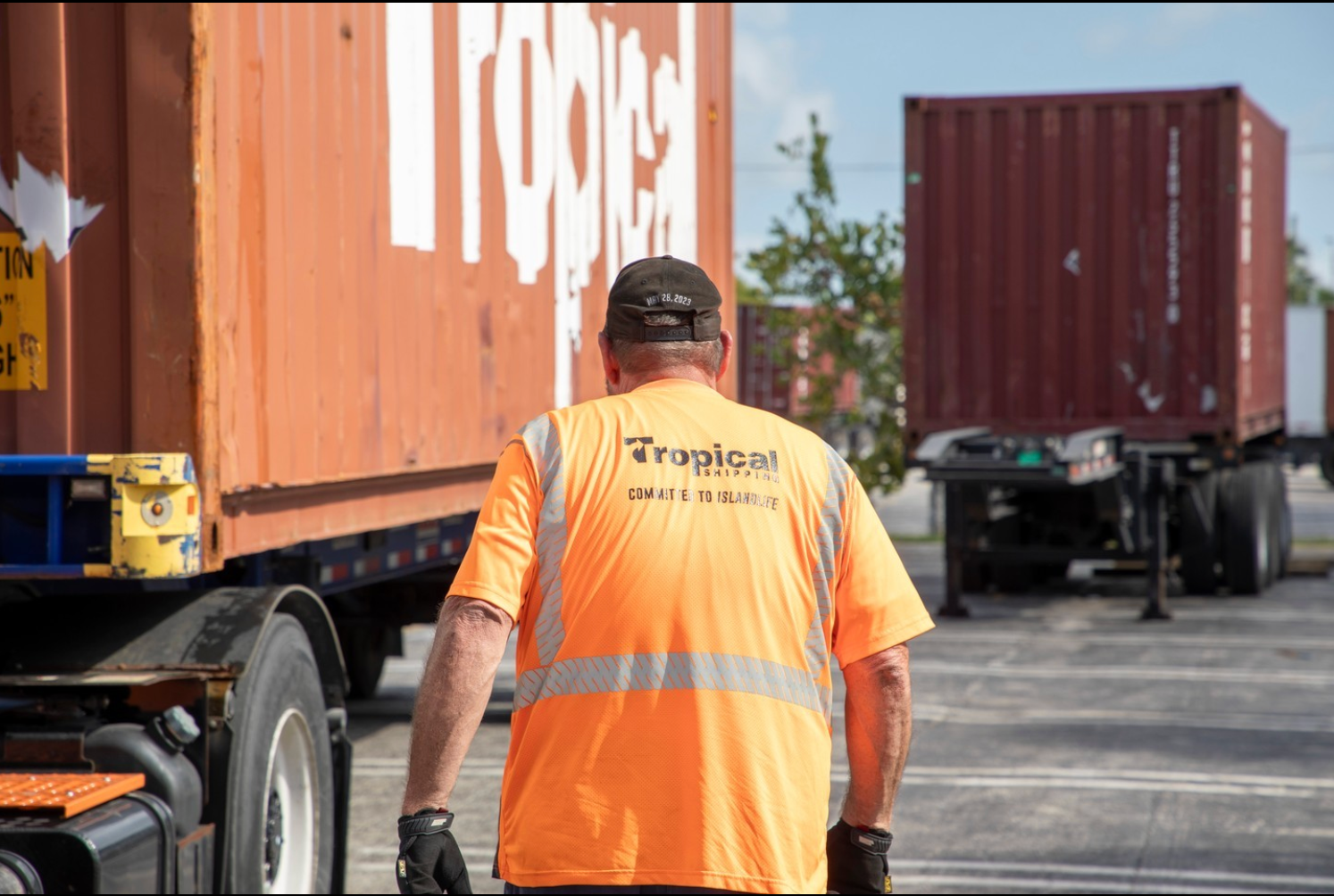
By transitioning from paper forms to Samsara's digital DVIR workflow, Tropical Shipping shifted their maintenance approach from reactive to highly proactive. This digital transformation reduced their maintenance cost per mile by 3%—saving approximately $7,900 annually—and preserved $24,000 a year in vehicle operational value. By rigorously catching mechanical issues and DOT violations before trucks ever leave the lot, the fleet has significantly reduced overall maintenance expenses while extending the lifespan of their vehicles.
Learn more