Guide
The Hidden Cost of Asset Theft and Loss in Construction
Third-party survey data reveals the true cost of asset theft and loss for construction firms.
The true cost of asset shrinkage
The ripple effect of missing assets
The ROI of asset tracking
Get your guide
For construction leaders who want to know what asset loss really costs
Most firms without asset tracking write off missing tools as a cost of doing business. See what those losses really add up to (idle crews, emergency rentals, lost bids) and how tracking pays for itself.

What asset invisibility costs construction
Drawn from a 2026 Wakefield Research survey of 1,500+ financial executives, this report reveals the financial and operational impact of asset loss in the construction sector. See how missing assets lead to idle crews and delayed projects, why smaller assets drive 80% of total losses, and how tracking technology delivers immediate operational ROI.
Theft is frequent, and rising
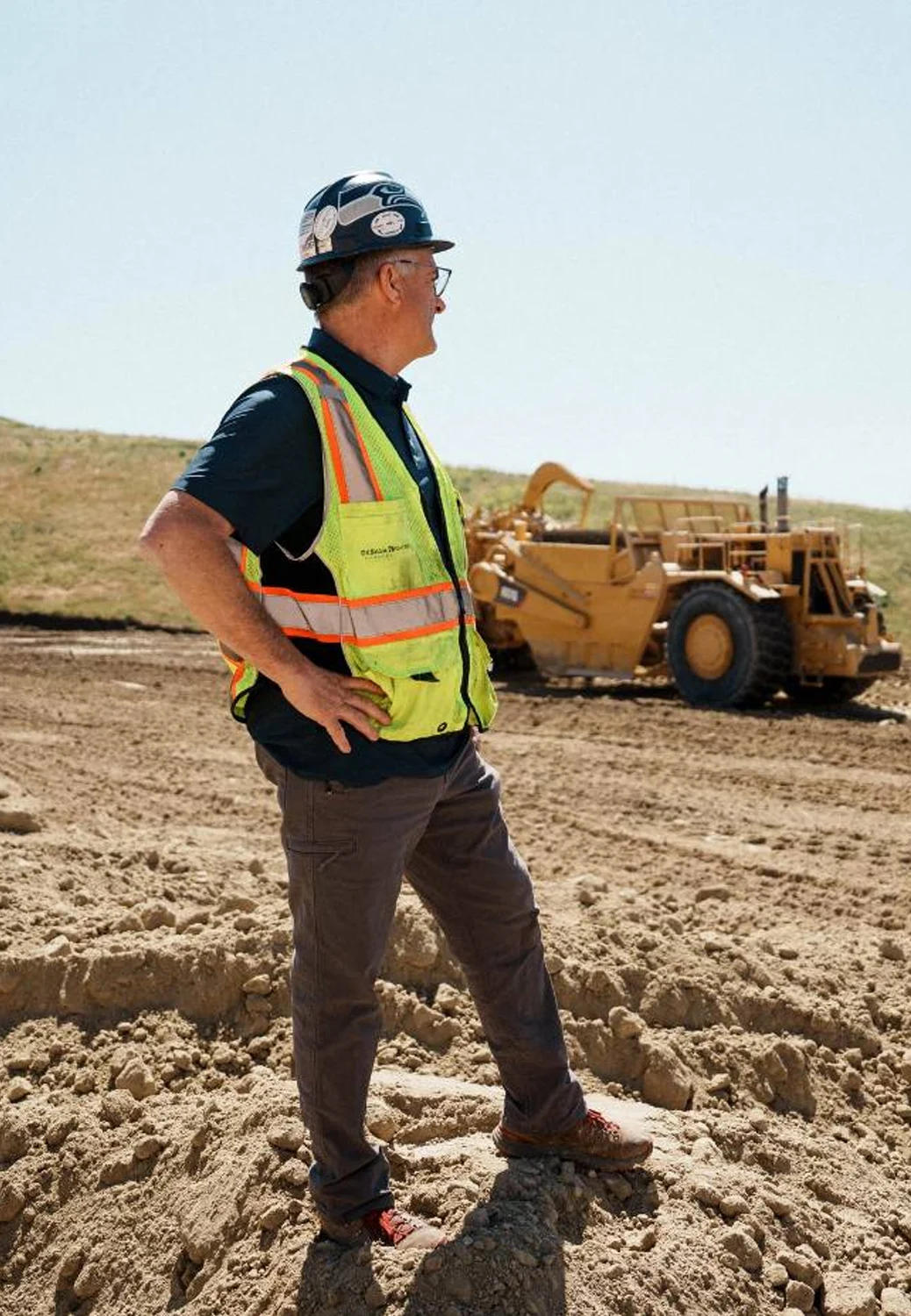
For construction firms without asset tracking, theft is a recurring line item, not an occasional setback. 80% experience theft of a high-value or critical asset at least once a quarter and 49% say high-value theft has become more frequent over the past five years.

We had an asset stolen off the back of a pickup truck, and with Asset Tag, we recovered it in less than an hour.
Asset theft and loss cost construction firms far more than replacement value. In a 2026 Wakefield Research survey commissioned by Samsara, 60% of construction firms without asset tracking self-reported combined annual losses above $1 million. Those losses include project delays, emergency equipment rentals, idle labor, and penalties. Missing assets valued under $10,000 drive 80% of these direct and indirect costs.
resources
Check out our related guides