Company News
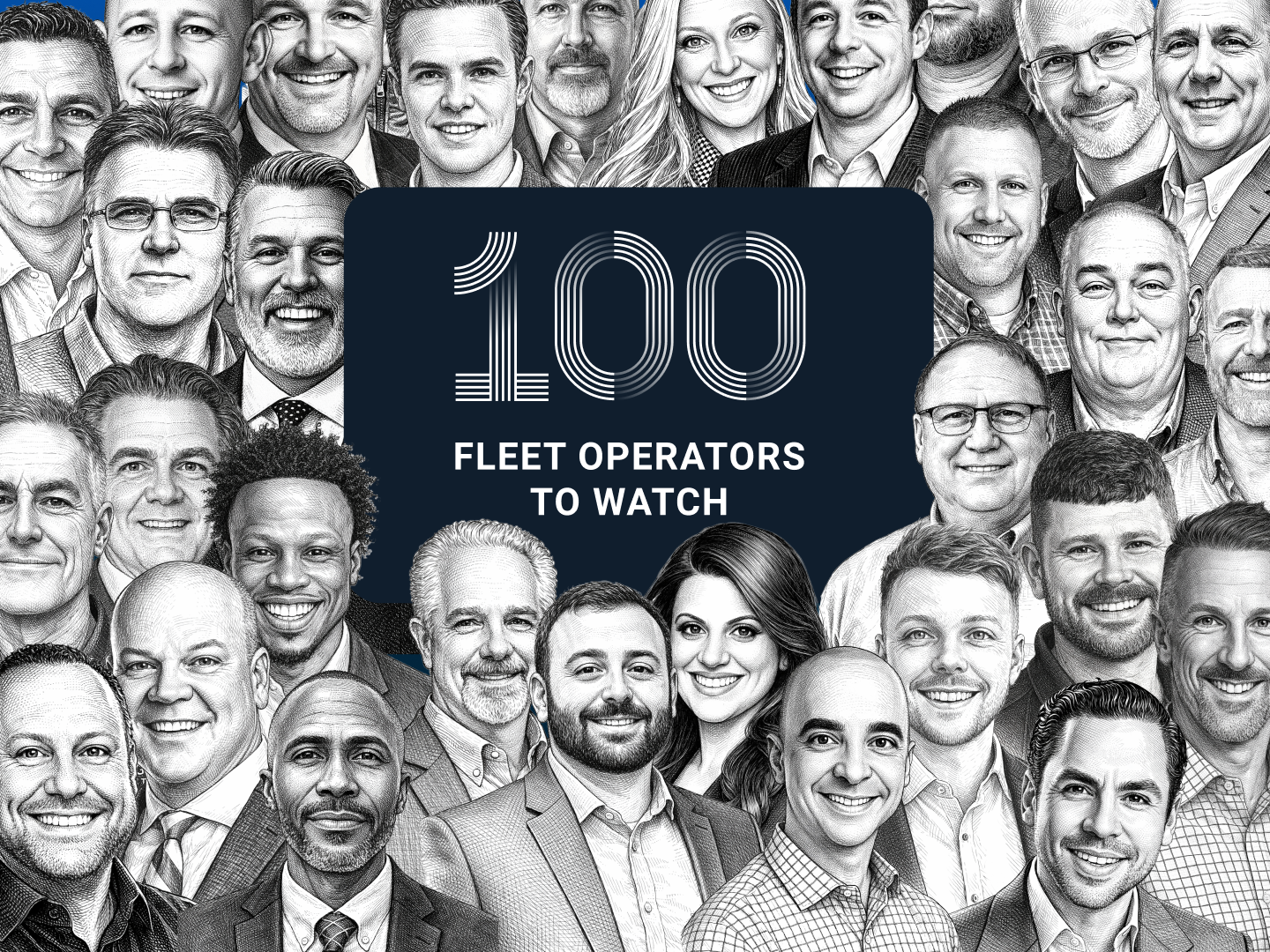
100 Fleet Operators to Watch in 2026: The second annual list
February 23, 2026

EVP, Chief Marketing Officer
Get the latest from Samsara
Subscribe nowToday’s fleet leaders don’t just manage vehicles—they balance safety, labor, service levels, fuel, maintenance, and regulations in real time. The best leaders convert that pressure into smarter operations.
When something goes wrong, leaders are expected to act fast while also building systems that prevent those problems in the first place. They need technology that proves its value now and still holds up years later. They’re hiring drivers in a market where there aren’t enough, and trying to retain them while competitors are doing the same thing. Costs continue to rise, AI capabilities change every few months, and the leaders on this list are making progress on all of it.
We introduced 100 Fleet Operators to Watch last year to recognize the individuals balancing these demands while setting a high standard for future operations. They’re testing new approaches, refining what works, and passing those lessons on. This year, we’re continuing that recognition with our second annual class. These leaders run complex operations across transportation, construction, field services, utilities, public sector, and logistics. They manage it all, including heavy equipment, delivery trucks, emergency vehicles, and more. And they're doing work that most people never see, because when it's done well, there’s nothing to notice.
What this year’s operators are preparing for
We asked this year's honorees what they see as the biggest change coming to fleet operations over the next three years, and one theme came through clearly: AI is moving from “nice to have” to a standard part of how fleets operate. Many leaders said they’re working to take their operations from reactive to preventive by investing in AI that tells you what to do next instead of just analyzing what’s already happened. They’re focused on safety coaching that builds a culture of accountability without being punitive, and moving toward consolidated solutions so they can spend less time managing disconnected tools and more time running operations.
Another consistent insight from this group was about AI’s limits. AI can surface patterns and flag risks, but it can't replace the people who know their drivers, their routes, and when to trust their gut. The fleets getting this right are building systems that support both efficiency and intuition.
Year two: More stories, more impact
No two operators on this list have the same kind of day. The industries they serve don't operate the same way. The challenges are complex and costly. But they're all responsible for systems that the public relies on without thinking twice, and they're all constantly refining how those systems run.
This year, we’re doing more to share their impact. Over the coming months, you’ll see these leaders in live webinars, roundtables, and other content featuring the practical strategies behind their results. Today, they’re being recognized with full-page features in The Wall Street Journal and The Economist.
Join us in celebrating the 100 Fleet Operators to Watch in 2026 and follow along as we share more of their insights throughout the year.
Get the latest from Samsara
Subscribe nowRead more

Turn operational data into action with Samsara

Staff Product Marketing Manager, AI

Introducing Samsara MCP: your data, inside of your team’s AI tooling

VP, Product Management

Introducing Samsara Driver Perks, exclusive offers and discounts for professional drivers

Head of Corporate Marketing

Hats off to drivers: Why we’re celebrating professional drivers for an entire month
Head of Corporate Marketing

2 years at No. 1: Samsara sweeps G2 across fleet management, asset tracking, and maintenance

Sr. Director, Customer Marketing

Built by you, for you: The new Samsara Community

Principal Community Manager

We built a new brand the way we build everything at Samsara — with you
EVP, Chief Marketing Officer


