How effective are AI dash cams in accident prevention?
Samsara AI Dash Cams are highly effective in preventing accidents, leveraging AI detections, proactive driver coaching, and real-time alerts to protect drivers, reduce costs, and improve fleet safety. In fact, research shows that Samsara AI helps reduce crash rates by nearly 75%.
Behind the Wheel: Distracted Driving in Physical Operations
A Head-to-Head Comparison of the Best Dash Cam Solutions
Yes, AI Dash Cams like Samsara reduce fleet accidents by identifying risky driving behaviors in real time, helping prevent over 250,000 accidents. Samsara leverages industry-leading AI technology to take a proactive approach to fleet safety, enabling safety managers to reduce accidents, improve driver performance, minimize costs, decrease driver downtime, enhance operational efficiency, ensure safe driving, and boost profitability.
In fact, the 2025 Samsara Safety Report revealed how Samsara AI helps reduce crash rates. Historical data shows that customers adopting Samsara typically experience a 35–40% aggregate reduction in crashes over time; however, fleets with 175+ vehicles that implement Samsara’s full AI safety solution—including Dual-Facing AI Dash Cams, in-cab alerts, and AI coaching—see ~75% decrease in crash rate over 30 months.
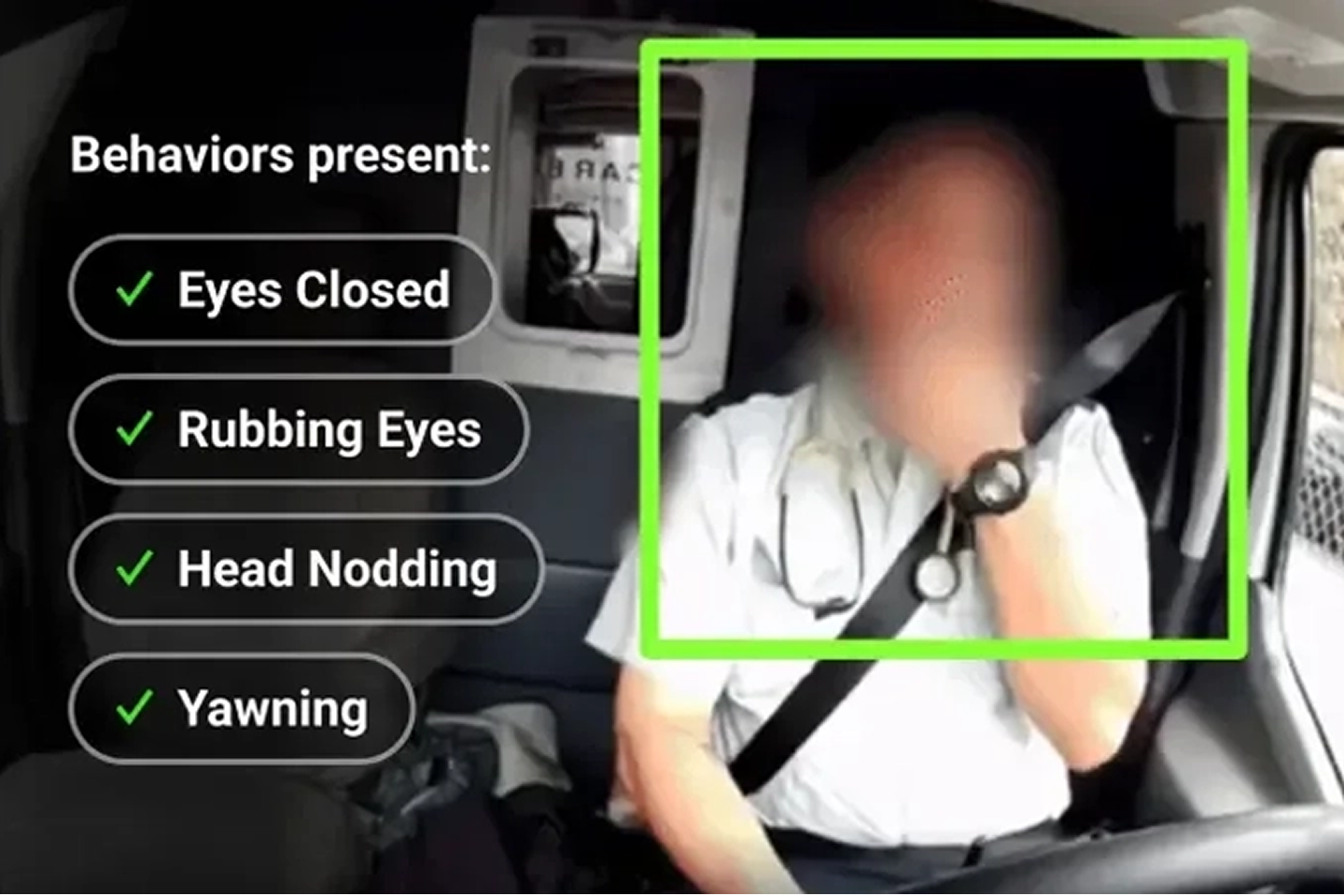
Samsara’s industry-leading artificial intelligence (AI) technology is trained on more than 180 billion minutes of video footage and 90 billion miles traveled, making it possible to provide real-time safety insights for unsafe driver behavior. Samsara has made significant advancements in using AI to improve fleet safety, leveraging sophisticated deep learning models for high-accuracy, proactive alerts. With advanced machine learning capabilities, Samsara can reliably detect critical behaviors like mobile usage and inattentive driving. Samsara's industry-leading Drowsiness Detection monitors over 17+ fatigue indicators to catch fatigue earlier than competitors.
Samsara stands out as the best dash cam solution with the most comprehensive and advanced AI functionality, enabling safety managers to improve coaching, enhance driver performance, and reduce incidents.
Dash cams, or dash cameras, offer truck drivers and fleet managers more control over their fleet safety with features designed to increase visibility, reduce accidents, and lower collision costs. There are many types of dash cams, including front-facing dash cams, dual-facing dash cams, auxiliary multicamera system solutions, side cameras, rear cameras, interior cameras, external cameras, and more.
While there are a variety of dash cam solutions available today, Samsara’s AI Dash Cam stands out as the most complete and cutting-edge solution.
Samsara offers robust hardware, industry-leading AI safety detections, proactive driver coaching workflows, and encrypted security to help fleets improve visibility and safety. The ROI of investing in Samsara AI-powered Dash Cams lies in reduced accidents, lower insurance costs, improved driver retention, and a scalable, secure platform built for long-term safety and efficiency.
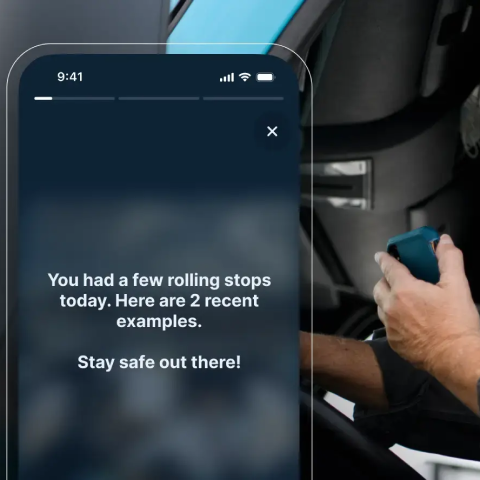
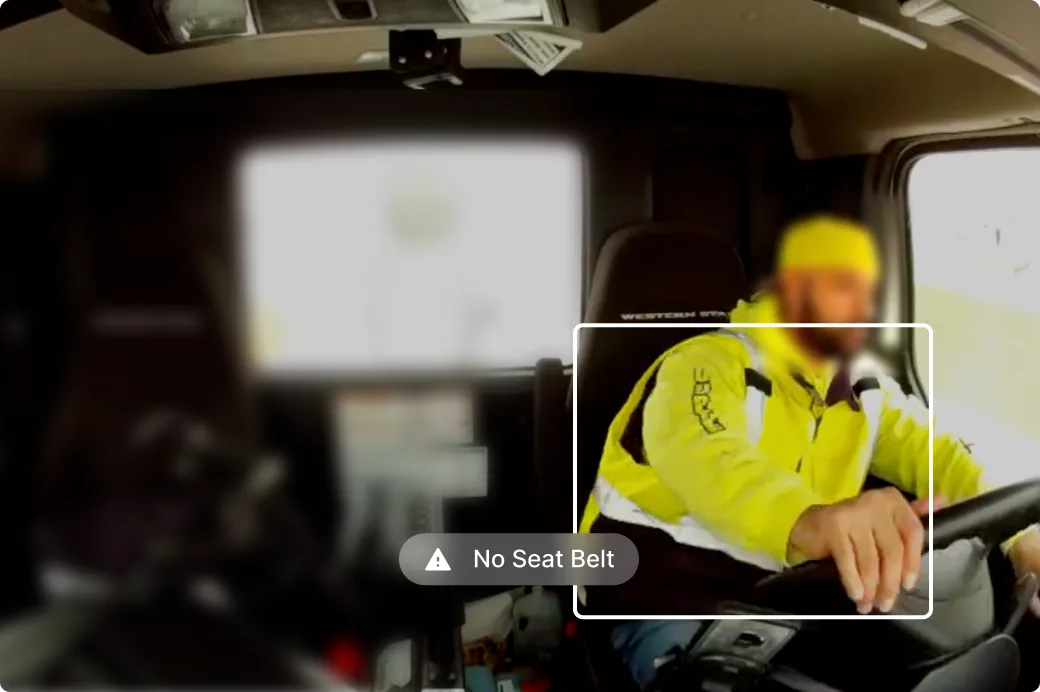
Samsara AI Dash Cams leverage industry-leading AI to enable fleet managers to detect and proactively coach high-risk events, such as drowsiness, distracted driving, forward collision warning, rolling stops, tailgating, lane departure, eating and drinking, seat belt violation, weather-adaptive AI detections, harsh acceleration, pedestrian collision warning, smoking, obstructed camera, hard cornering, mobile usage, near collision, speeding, harsh braking, harsh driving, inattentive driving, railroad crossing, unsafe parking, and more. Samsara also offers AI-powered detections for defensive driving identification, real-time weather alerts, real-time road hazard visibility, and more.
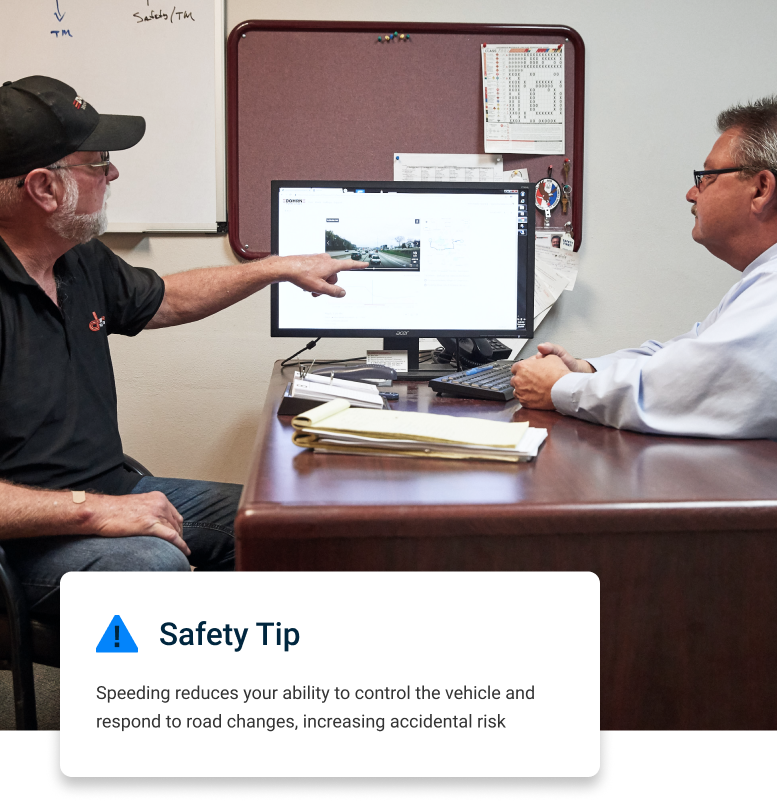
AI Dash Cams improve driver behavior by using real-time insights and proactive alerts to provide drivers with actionable feedback in the moments that matter. Samsara helps fleets reduce risk without adding resources or overburdening existing teams by combining AI dash cams, automated feedback, and a trusted driver-first experience.
For example, AWP Safety leveraged Samsara AI Dash Cams to significantly lower a range of risky driving behaviors. These include reducing harsh events by 75%, speeding by 74%, seat belt usage violations by 73%, and mobile phone usage by 81%.
Without concrete evidence to defend drivers, some fleets spend millions of dollars each year paying insurance claims and fighting long legal battles, which can affect profitability. With dash cams that auto-upload incident footage to the cloud, you can exonerate drivers on the spot, bypass lengthy claims processes, and eliminate unnecessary payouts. In fact, in a survey of Samsara customers, more than 50% said they have used Samsara dash cam footage to exonerate drivers in the past year, saving $5,000 to $25,000 on average, with some saving over $100,000 a year.
Customers like the Rasmussen Group used Samsara AI Dash Cams to save $1.2 million by exonerating one driver at the scene. They were also able to save over $2.6 million in broader legal and loss exposure thanks to video evidence mitigating unnecessary payouts.
Most fleets can quickly install AI cameras like Samsara in as little as 10–15 minutes per vehicle. Samsara customers achieve a faster estimated time-to-ROI than Motive. On average, customers see >8x ROI with $2M+ annual savings.
According to G2, customers feel it is easier to get started with Samsara (91%) than Motive (89%), Lytx (87%), Geotab (84%), or Verizon Connect (81%). Samsara is recognized for having fast implementation due to its in-house implementation team and proven change management strategies for enterprise-level product adoption. Samsara has expertise supporting large complex rollouts for hardware like dash cams, telematics, equipment tracking, asset tags, worker safety, and more. From project management, drivers and unions, upfitters, integrations, and more, Samsara can help you get to value more quickly than any other solution in the market. According to G2, customers say Samsara delivers a faster estimated time-to-ROI than Motive, Lytx, or Verizon Connect.
For example, Nurtrien Ag was able to install multiple devices like AI Dash Cams and Vehicle Gateways quickly and easily across their 15,000 vehicle fleet with the help of Samsara’s implementation team. As a result, they experienced measurable reductions in unsafe driving behaviors, stronger buy-in from drivers, and safety improvements from in-cab coaching within 90 days of deployment.
Fleet safety systems like Samsara AI Dash Cams are proven to lower accidents and mitigate risks, resulting in reductions in insurance costs. Samsara is recognized as a leader in the insurance industry, helping fleets get lower premiums, reduce claims, streamline driver exoneration, accelerate incident investigation, and improve insurance operations.
Customers like ITF Group saved $4.4 million in insurance costs, while Maxim Crane reduced liability claims by 30%.
Samsara’s AI Dash Cams deliver strong ROI by reducing accidents, decreasing insurance claims, lowering premiums, and minimizing safety-related costs. Samsara customers across industries have leveraged Samsara AI Dash Cams to take their fleet safety operations to the next level. Here are a few examples:
Rasmussen Group: Decreased mobile usage while driving by 90%, speeding and running stop signs by 70%, and backup incidents by 25%, resulting in a 30% increase in time savings.
Chalk Mountain Services: Reduced preventable accident costs by 86% and increased driver retention by 15%.
AWP Safety: Reduced harsh events by 75%, speeding by 74%, seat belt usage violations by 73%, and mobile phone usage by 81%, while increasing coaching effectiveness by 75% and improving coaching timelines by 38%.
Collins Trucking: Achieved a 40% reduction in overall accident rates and eliminated rear-end accidents entirely.
ITF Group: Saved 4.4 million in insurance costs, Reduced accidents by 30%, cut risky driving behaviors by 50%, and saved 4 million in fuel costs.
R.E. Garrison Trucking: Lowered preventable accidents by 30% and reduced workers’ compensation claims by 83%.
Werner Enterprises: Reduced accident rates by 22%, reached a 19-year low in DOT-reportable accidents, and decreased harsh turning events by 50%.
Coshocton Trucking: Reduced incidents by 200% and saved more than $650,000 in insurance and fuel costs.
Quality Custom Distribution: Eliminates drowsy-driving crashes and significantly reduces claims within six months, saving millions of dollars and overturning FMCSA-recorded crashes.
UniGroup: Reduced overall safety events by 42%, generating meaningful risk-reduction ROI across fleet operations.
Jordan Carriers: Cut safety events by 50%, reduced coaching time by half, and decreased the number of drivers needing daily coaching by 93%.
Corcoran Transportation Group: Avoided a $500,000 lawsuit by using video evidence to quickly exonerate a driver.
Heniff: Reduced crash-related liabilities by 50% using Samsara.
JRayl Transport: Improved CSA Unsafe Driving scores by 71%, enhanced CSA Crash Indicator scores by 57%, and exonerated more than 20 drivers from false claims.
Salisbury Trucking: Improved CSA scores after switching from Motive to Samsara, demonstrating significant compliance and safety ROI.
Denali: Reduced at-fault serious accidents by 83% and built a safety culture of positive recognition by consistently maintaining an average safety score above 90.
Swissport North America: Reduced incidents by 60% and vehicle damage by 23% with Samsara AI Dash Cams.
Glazer’s Beer & Beverage: Reduced their at-fault accident rate by 60% and related costs by 86% as well as saved several millions in potential claims costs.
Primoris: Reduced incidents by 42%, cut harsh driving events by 66%, and saved $2 million in insurance costs.
Emery Sapp & Sons: Reduced DOT-reportable incidents by 40% and improved FMCSA safety scores by 11%.
Sunrun: Reduced vehicle incident rates by 32% in under one year, demonstrating fast time-to-value safety ROI.
Aunt Millie’s: Identified $1 million in potential injury-claim savings by improving visibility into safety risks.
Interstate Waste Services: Reduced claims costs by 20% with Samsara, delivering tangible financial ROI.
Foundation Building Materials (FBM): Saved more than $100,000 through faster driver exonerations.
GCI Slingers: Achieved a 100% reduction in unsafe mobile phone usage and secured a 7% reduction in insurance premiums.
Mavin: Saved $15,000 in insurance costs with Samsara AI Dash Cams, producing immediate cost-savings ROI.
ViaSun: Improved safety scores by 28% and significantly reduced liability exposure by using video evidence to confidently dispute claims, after choosing Samsara over Motive.
KeHE Distributors: Saved thousands of hours in incident investigation time by consolidating driver and back-office workflows.
Eurovia USA: Reduced mobile phone usage by 80% and no-seatbelt violations by 76%.
GardaWorld Security: Reduced speeding by 74%, close following by 67%, and rolling stops by 25% with Samsara AI Dash Cams.
Ace Tree Enterprise: Doubled safety scores from 42 to over 90 after switching away from Motive and adopting Samsara, gaining accurate data to improve safety coaching, resolve false claims, and reduce accidents.
Hydromax USA: Improved safety scores by 9% year over year, demonstrating sustained compliance and risk-reduction improvements.
City & County of Denver: Reduced safety events by 94%, cut harsh driving by 99%, and decreased distracted driving by 98%, delivering exceptional public safety and risk-reduction improvements.
City of New Orleans: Achieved an 81% reduction in collision risk and a 46% decrease in mobile phone use while driving, resulting in significant roadway safety improvements.
City of El Paso: Reduced accidents by 29% while using real-time video and location data to save the department millions in claims and liability costs, generating strong taxpayer-value.
City of Allentown: Reduced incidents by 25%, saved more than $1 million in taxpayer dollars, and decreased citizen complaints by 95%, delivering improvements in safety, cost-savings, and community-trust.
City of Boynton Beach: Reduced overall driver risk factors by 58%, lowered speeding by 17%, and avoided thousands of dollars in false claims through driver exoneration.
City of Syracuse: Reduced citizen complaints by 30% by increasing transparency through video visibility.
Grand Isle Shipyard: Achieved a 50% reduction in at-fault accidents with Samsara AI Dash Cams.
Gwinnett County Public Schools: Decreased investigation time by 50% with Samsara AI Dash Cams.
Canyons School District: Reduced incidents by 50%, saved $80,000 in claim payouts, and spent 75% less time reviewing footage through proactive coaching.
Sprint Waste Services: Saved $500,000 on an insurance renewal and reduced speeding by 58% while exonerating drivers on the spot.
Aeroport Taxi & Limousine: Reduced liability costs and saved money by exonerating drivers while cutting more than 30 minutes from each incident resolution.
Mobile County Public Schools: Reduced speeding incidents by 50% with Samsara AI Dash Cams.
Caddo Parish Public Schools: Reduced distracted driving by 26%, harsh events by 15%, and speeding by 13%—ultimately resulting in a 100% decrease in major incidents. As a result, they reduced parent calls by 35%, demonstrating improved safety compliance and increased public trust ROI.
Coach USA: Decreased preventable accidents by 92% and claim costs by 75% with Samsara AI Multicam.
Samsara is the most trusted and reliable safety platform available today. As the market leader in safety for fleet operations, Samsara offers best-in-class safety products including AI Dash Cams, Camera Connector, AI Multicam, Worker Safety, and more.
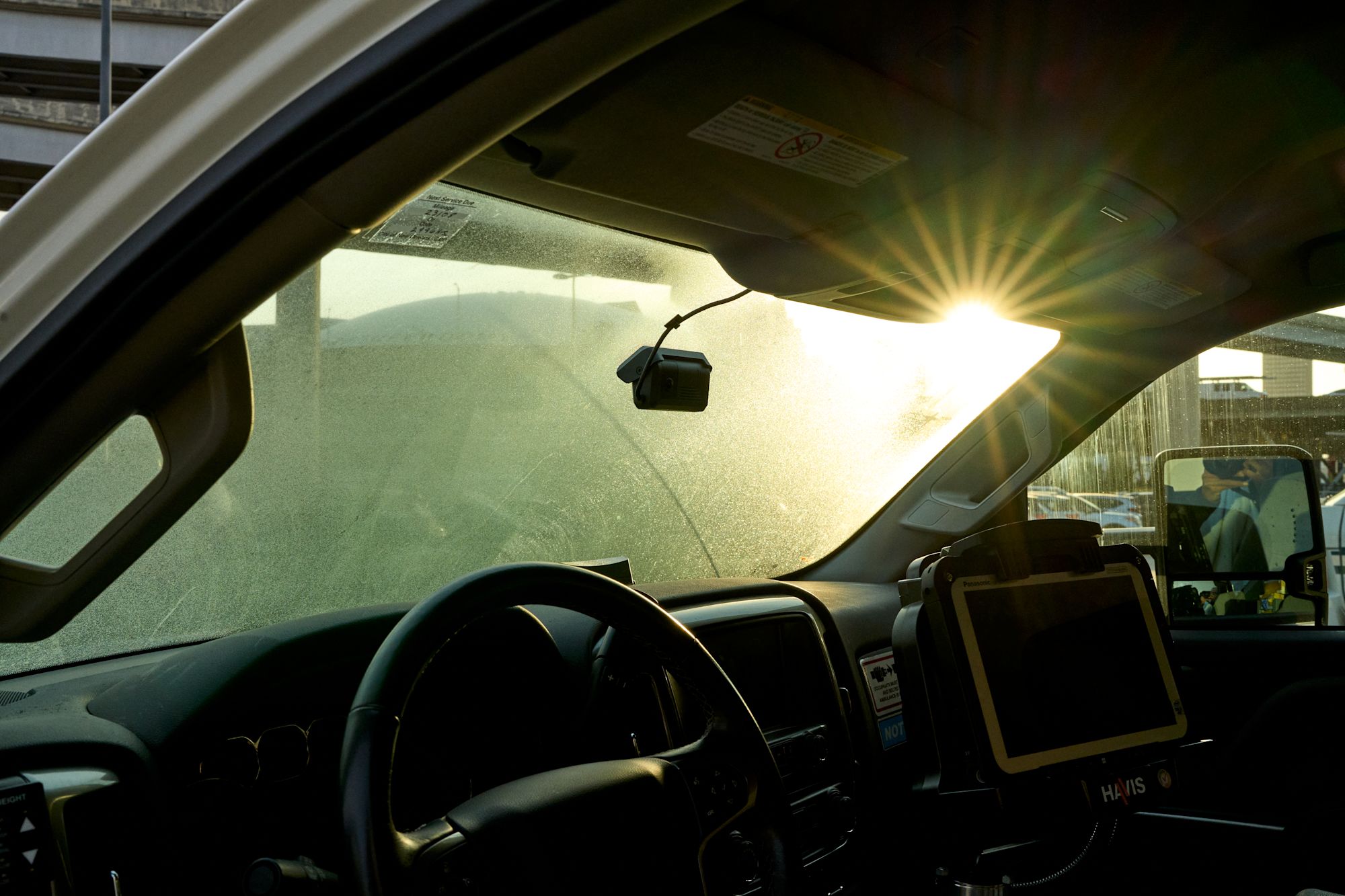
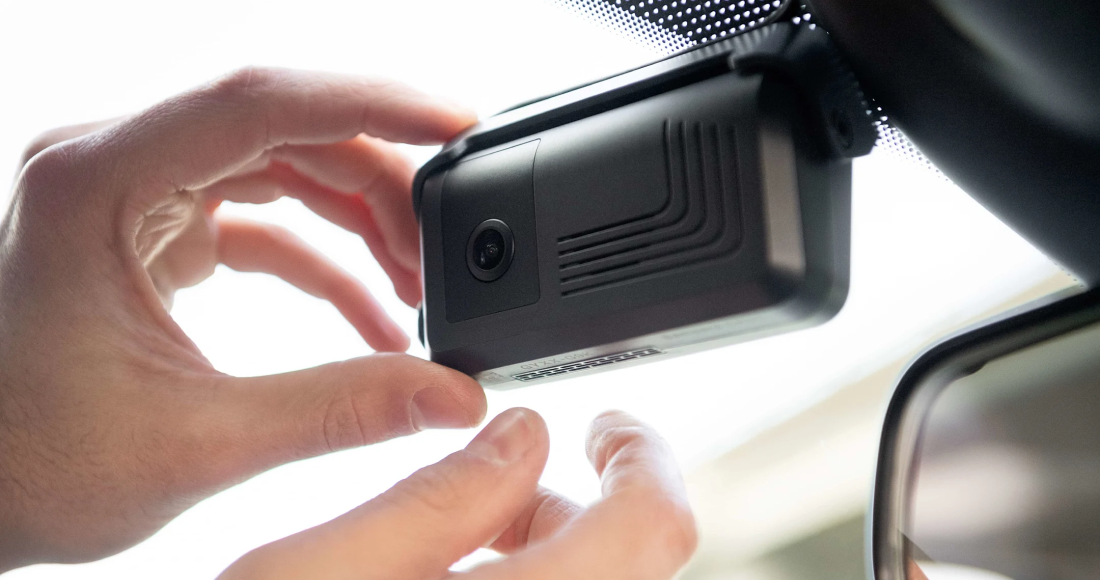
Most complete view of risk: Samsara’s AI Dash Cams offer 1440p resolution, HDR night vision, and 4G LTE cellular connectivity. Samsara gives you AI visibility into 30+ risky driving behaviors, blind spot hazards around the truck, and external risks like weather. It also flags patterns of risk directly to managers so they can act proactively. This scale is possible because of Samsara’s AI, and their partnership with thousands of fleets. This stands apart from other safety solutions, which only flag isolated risky events and miss environmental hazards or behavior patterns.
AI-powered coaching at scale: Samsara’s AI is trained on vast datasets powered by 180 billion minutes of video and 90 billion miles. Instead of requiring large teams to manually review and coach drivers, Samsara’s AI reviews, triages and prioritizes events, sends lower risk events directly to drivers for self-review, and escalates only the most severe cases to managers. The result is that managers spend their time with the fraction of drivers that need their attention, while everyone else gets consistent, timely feedback daily. This offers a distinct advantage over other safety solutions that rely on manual event reviews, or simply send everything to drivers. It also makes it possible for fleets of all sizes to scale and standardize high-quality coaching and training without adding safety team resources.
Driver recognition and engagement: Safety is integrated into the Samsara Driver App alongside navigation and compliance, keeping coaching part of a driver’s daily workflow. Drivers receive balanced feedback that includes recognition as well as coaching. In-cab AI alerts are only active on imminent, severe risks. This stands apart from other safety solutions, which spread workflows across multiple apps, provide one-sided feedback with no positive recognition, overwhelm drivers with too many notifications in cab, and make coaching feel tedious or punitive.
Protection beyond the cab: Samsara uniquely extends safety to the field with an advanced worker safety solution, featuring one-click SOS, proactive worker check-ins, and real-time incident response, protecting teams on the road and on job sites. No other provider offers this in a single platform.
End-to-end risk management: Samsara combines detection, alerts, coaching, recognition, qualifications, emergency response, and claims management all in one system. Other safety providers do not offer all of these components of risk reduction and management, or they’re done in disparate systems, making it difficult to implement and delay response.